
Coffee equipment
Coffee & Chocolate

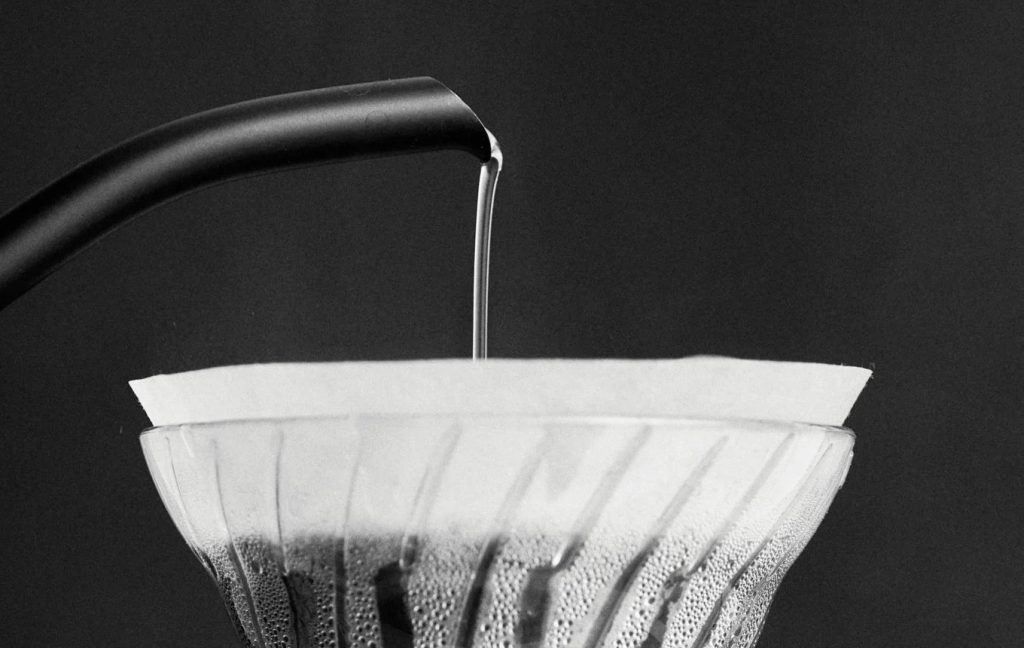
Most people dial in a brew by changing grind size, water temperature, or pouring. But paper filters can quietly change the result just as much, because a filter doesn’t only “hold back grounds.” It also controls how water moves through the coffee bed, which changes extraction.
Extraction is the process of dissolving coffee solids into water. More or less extraction (and how evenly it happens) is what makes a cup taste sweet and balanced, or sour, bitter, or dry.
Light roasts tend to be denser and less soluble than medium and dark roasts, meaning the tasty compounds don’t dissolve as quickly or as easily.
In practice, that often means you need to push extraction a little more, commonly through higher slurry temperature, slightly finer grind, and steady flow, to reach sweetness and balance.
Medium/dark roasts are more porous and brittle, so they extract faster; if you use the same “light-roast” approach on a darker roast, it can tip into bitterness, harshness, or a drying finish more quickly.
Filters matter here because light roasts often involve finer grinding, which makes flow resistance and clogging (fines) a bigger part of the game.
Paper filters influence extraction in three main ways:
A paper filter adds resistance. More resistance usually means slower flow, which often means longer contact time between water and coffee (and potentially more extraction). Less resistance usually means faster flow, which can shorten contact time and lower extraction unless you compensate.
That’s why changing filter paper can make a recipe suddenly taste:
Paper also decides how many oils and tiny particles (fines) end up in the cup.
More oils/fines will give more body (texture), but often less clarity (flavor separation).
Less oils/fines will lead to higher clarity and a lighter texture.
So even if extraction is “good,” the cup can still feel very different just from paper choice.
Even extraction means water moves through the bed relatively evenly. If a filter clogs easily (often due to fines), flow can slow down unevenly, increasing the chance of channeling (water finding shortcuts). That’s when people get the confusing combo: sour up front + dry/rough finish.
Fast, high-permeability papers are popular partly because they reduce drawdown resistance and can help prevent stalling, especially when grinding fine for light roasts.
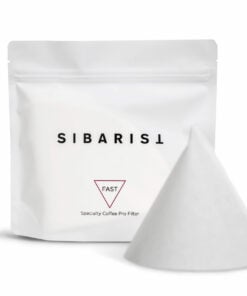
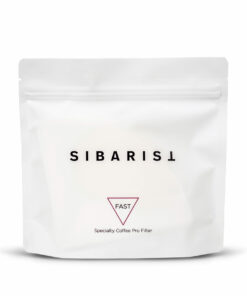
What they’re designed to do: flow faster and more consistently than “standard” paper, giving more room to grind finer without stalling. Sibarist’s own material describes permeability that can make extraction 15–40% faster compared to common filters, depending on recipe and technique.
What you’ll notice:
faster drawdown (often noticeably)
high clarity, “clean” cup character
easier to push finer grinds without choking
How to dial with Sibarist FAST (light roasts):
Start a bit finer than your usual paper.
Keep agitation moderate (fast paper doesn’t make fines disappear, stirring can still push fines into the paper).
If the cup is sour/thin: go slightly finer or improve heat retention before adding more agitation.
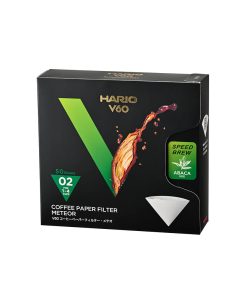
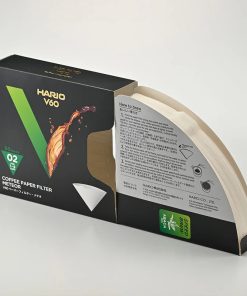
What they’re designed to do: very fast flow. Hario states Meteor delivers nearly 3× the permeation rate compared to conventional V60 paper filters.
What you’ll notice:
noticeably quicker brews
more “headroom” to grind finer
a cleaner, clarity-forward cup (especially with light roasts)
How to dial with Meteor:
Treat it as “my filter got much faster.”. First move is usually grind finer (small steps).
If it still runs too fast: slow your pour slightly (steady, lower agitation).
If it tastes dry/rough: back off agitation before you coarsen a lot.
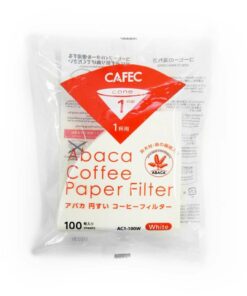
What they’re designed to do: strength and permeability from abaca (Manila hemp) blended with wood pulp. Many retailers describe it as fast-flowing and clarity-friendly, and it’s often positioned as durable and eco-oriented.
What you’ll notice:
stable, smooth drawdown in many setups
lively, clean cups that suit fruit/floral light roasts
generally easier flow than some “standard” papers
How to dial with ABACA:
Start near your normal recipe, but expect you may land slightly finer than with slower papers.
If the brew starts fine then stalls late: reduce agitation and consider a tiny coarsening (fines migration is a common culprit).
If the cup is thin: go finer before you increase dose.

Brew the same coffee three times with the same dose, ratio, and pouring:
your baseline paper
a very fast paper (Meteor or Sibarist FAST)
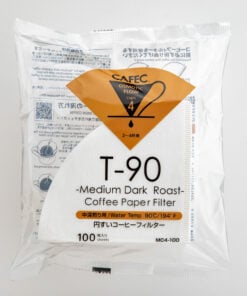
CAFEC T-90
Taste for:
clarity (how separated flavors feel)
body (texture/mouthfeel)
finish (sweet vs dry)
You’ll feel immediately how filters can shift both extraction and cup texture, even before you touch your grinder.